
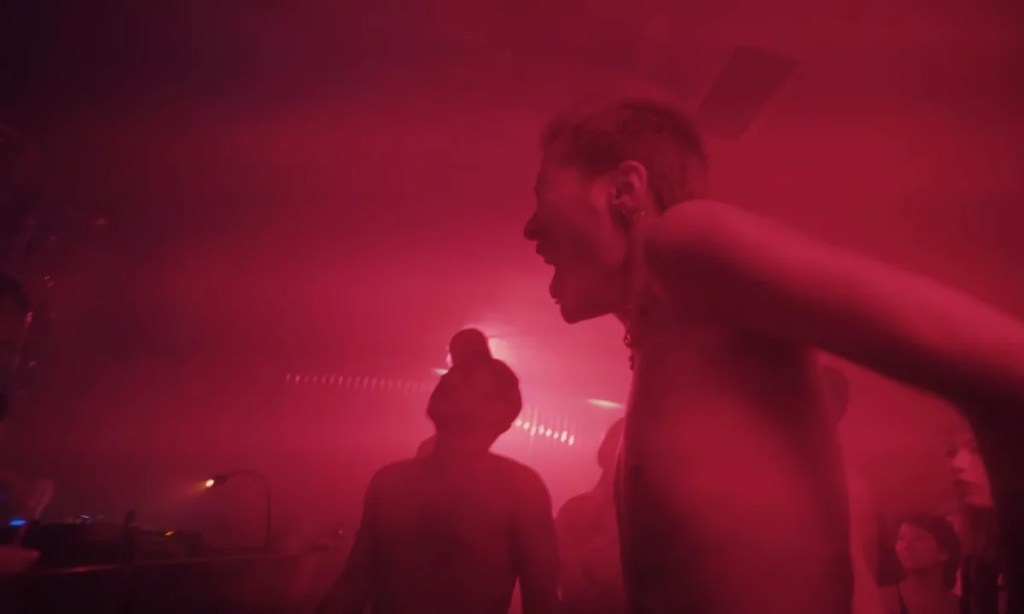
We slip through back doors and side streets, past the last trains and the last trams, into rooms that only exist for a few hours before they vanish again. Here the night hands the city back to us, one dance floor at a time. Strangers turn into lovers, lovers into legends, legends into the friends we did not know we were looking for.
Somewhere past midnight, the city stops answering to the version of itself it wears by day. The night is not just where subcultural, non-conformative and queer life happens to take place, it is one of the conditions that makes it possible at all. Stonewall was a bar. Underground dance music, drag, cruising cultures, all of it developed in hours and spaces daytime society had already written off as unimportant, which is exactly what let them grow largely undisturbed. These spaces are affective archives, places that hold collective memory, care and political resistance at once, not as a metaphor but as their actual social function.
This is also why nightlife venues keep getting fought over. Closing times, noise complaints, rising rents, licensing rules, the tools of urban reform have targeted queer and subcultural nightlife for as long as it has existed, because a room full of people building their own rules after dark has always made someone nervous.
AFTER HOURS is dedicated to that friction, and to the spaces, on screen and in this city, that keep insisting on existing anyway.
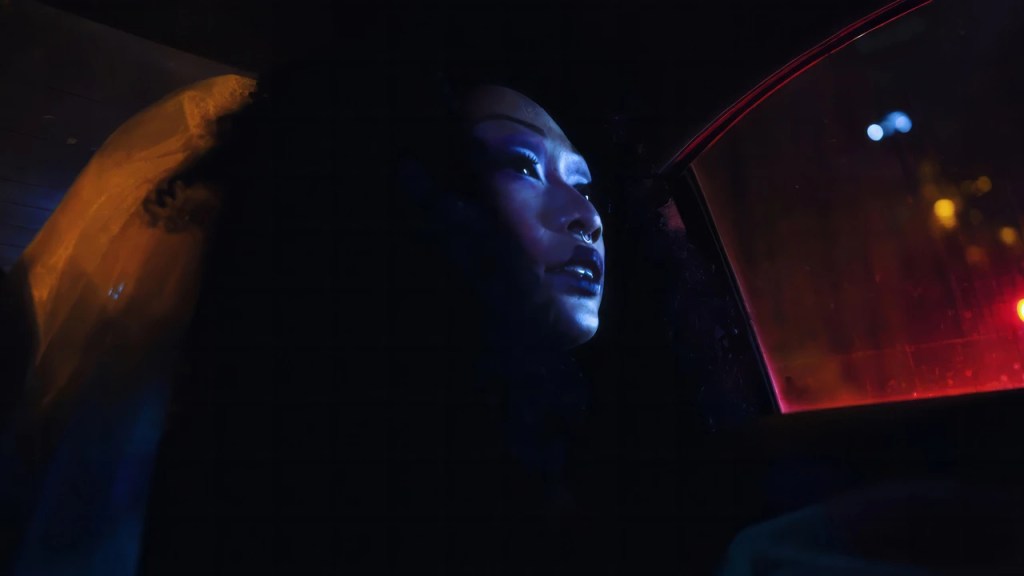
THE LAST YEAR OF DARKNESS
Benjamin Mullinkosson, USA/China 2023, 95 min
Behind a construction site in Chengdu sits a club called Funky Town. A cracked mirror, a DJ booth held together by cable ties, a dance floor that has absorbed years of sweat and plum wine. Drag queens getting ready between shifts, DJs testing a beat that never quite lands the same way twice, skaters and ravers and lovers who found in this one room a version of themselves that daylight rarely allows. Some are queer, some are not, none of that seems to matter much once the music starts.
Mullinkosson, an American filmmaker who kept returning to Chengdu long after he was supposed to leave, spent five years filming his own friends here. 600 hours of footage, 125 nights, shot close enough to catch every smudge of eyeliner, every half finished sentence, every hour that dissolves into the next one without anybody noticing. By day, the same people clock into jobs, navigate relationships, carry the ordinary exhaustion of being in your twenties somewhere that keeps you guessing about how much of yourself you are allowed to show. By night, all of that gets left at the door.
The metro station going up next door will finish what the city already decided. Watching this film means standing right in the middle of that process as it happens, close enough to smell the smoke machine and the concrete dust at the same time. It is a story about a place being taken away and replaced with something that moves people through faster instead of letting them stay, about a city rewriting itself block by block, about the people who get pushed out of the spaces that made them who they are. By the end there is a specific kind of ache to it, the feeling of grief for years you never actually witnessed, for a room that closed before you ever got the chance to stand in it.
 COUNTERCUTS